 UNESCO Heritage
Ajanta Caves
The Ajanta Caves are 30 rock-cut Buddhist cave monuments dating from the 2nd century BCE to about 480 CE. The caves include paintings and rock-cut sculptures described as among the finest surviving examples of ancient Indian art. They are a UNESCO World Heritage Site and one of the most visited tourist attractions in Maharashtra.
 UNESCO Heritage
Ellora Caves
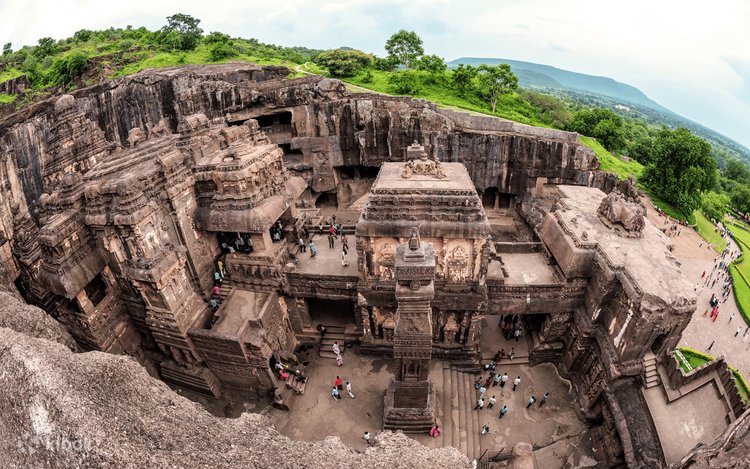
Ellora Caves are a UNESCO World Heritage Site featuring 34 caves — Buddhist, Hindu, and Jain rock-cut temples built between the 6th and 11th centuries. The highlight is the magnificent Kailasa Temple (Cave 16), the largest monolithic rock excavation in the world, dedicated to Lord Shiva.
 Historical Fort
Daulatabad Fort (Devagiri)
Daulatabad Fort, also known as Devagiri, is a 12th-century hilltop fortress considered one of the most powerful forts in India. It features an ingenious defense system with multiple layers of walls, a moat, and a dark passage. The Chand Minar, a 60-meter tower, stands as a prominent landmark.
 Mughal Heritage
Bibi Ka Maqbara
Known as the "Taj of the Deccan," Bibi Ka Maqbara was built by Prince Azam Shah in 1678 as a tribute to his mother Dilras Banu Begum. The monument bears a striking resemblance to the Taj Mahal and is surrounded by beautiful Mughal gardens with fountains and pathways.
 Historical
Panchakki (Water Mill)
Panchakki is a 17th-century water mill that demonstrates the engineering marvel of medieval India. The mill was used to grind grain for pilgrims. The complex includes a beautiful garden, a fish pond, and the tomb of Sufi saint Baba Shah Musafir. The underground water channel system is fascinating.
 Jyotirlinga
Grishneshwar Temple
Grishneshwar Temple is one of the 12 Jyotirlinga shrines sacred to Lord Shiva. Located near Ellora Caves, this ancient temple features beautiful red stone architecture with intricate carvings. It is believed to be the last of the 12 Jyotirlingas and attracts devotees from across India.
 Buddhist Heritage
Aurangabad Caves
The Aurangabad Caves are 12 Buddhist rock-cut shrines dating from the 2nd to 6th century CE. Located on a hillside, these caves feature beautiful sculptures, particularly of women in various poses. They are less crowded than Ajanta and Ellora, offering a peaceful exploration experience.
 Nature
Salim Ali Lake & Bird Sanctuary
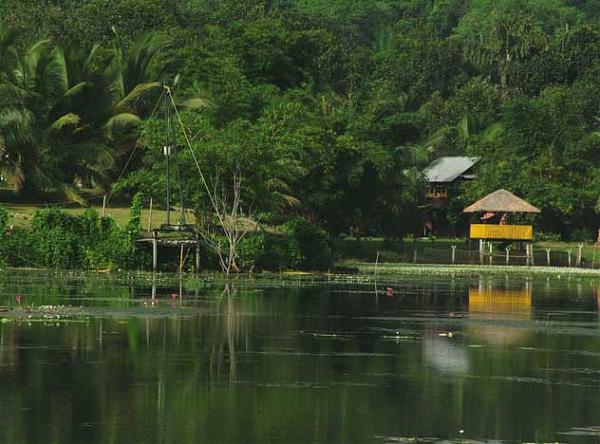
Named after the renowned ornithologist Dr. Salim Ali, this lake and bird sanctuary is a haven for birdwatchers. The sanctuary hosts numerous migratory and local bird species. It's a peaceful escape within the city, perfect for nature walks and photography.
 Geological Wonder
Lonar Crater Lake
Lonar Crater is a unique saline soda lake formed nearly 50,000 years ago by a meteorite impact, making it the only hyper-velocity impact crater in basaltic rock on Earth. The site is surrounded by dense forest, ancient Hindu temples around the rim, and rare flora and fauna, attracting geologists, scientists, and nature lovers from around the world.
 Pilgrimage
Shirdi (Sai Baba Temple)
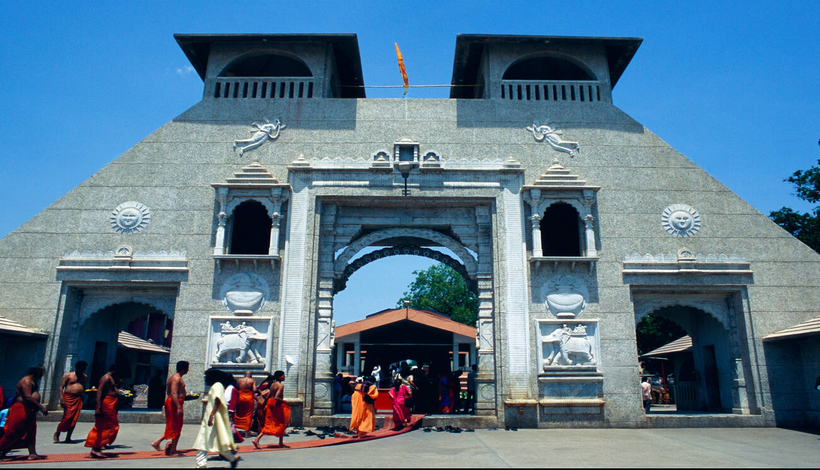
Shirdi is one of the most visited pilgrimage destinations in India, home of the revered saint Shri Sai Baba. The Sai Baba Samadhi Mandir, Dwarkamai, Chavadi, and Khandoba Mandir form the spiritual heart of the town. Millions of devotees from across the world visit Shirdi every year for darshan, prasad, and the peaceful spiritual atmosphere.
 Pilgrimage
Shani Shingnapur
Shani Shingnapur is a unique village famous for its open-air shrine of Lord Shani (Saturn). The deity stands on a black stone platform without any roof or doors, and the village itself is renowned for the belief that no house has doors — a testament to faith in Shani Dev's protection. It is one of the most visited Shani temples in India.
 Holy City
Nashik
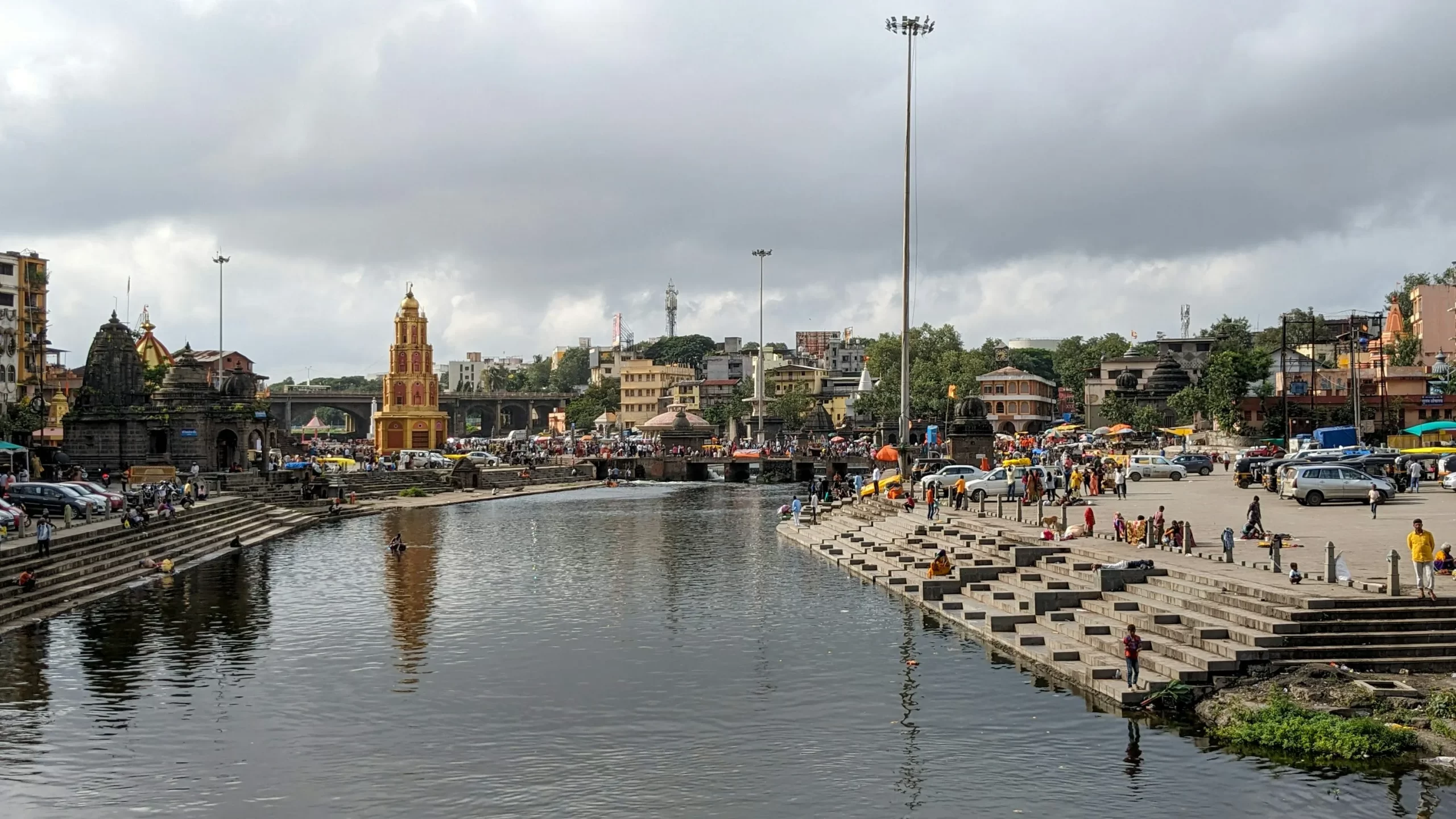
Nashik is one of the four cities that hosts the grand Kumbh Mela and is steeped in mythology from the Ramayana — Lord Rama spent part of his exile here at Panchavati. The city is also the wine capital of India, with famous vineyards like Sula. Highlights include Trimbakeshwar Jyotirlinga nearby, Sita Gufaa, Kalaram Mandir, and the holy Godavari ghats.
 Jyotirlinga
Trimbakeshwar Temple
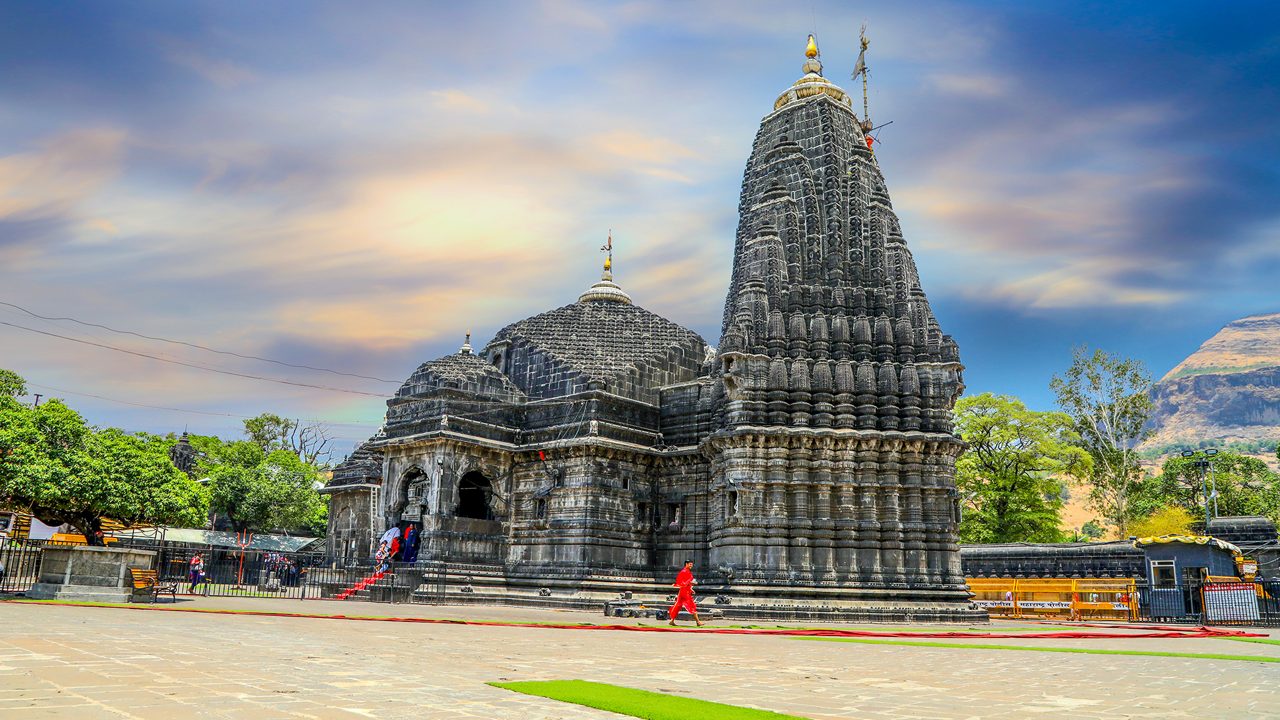
Trimbakeshwar is one of the 12 sacred Jyotirlinga shrines of Lord Shiva, located at the source of the holy Godavari River. The temple's unique linga has three faces representing Brahma, Vishnu, and Shiva. Surrounded by the Brahmagiri Hills, it is a major centre for Narayan Nagbali, Tripindi Shradh, and Kaal Sarp Dosh pujas.
 Jyotirlinga
Parli Vaijnath Temple
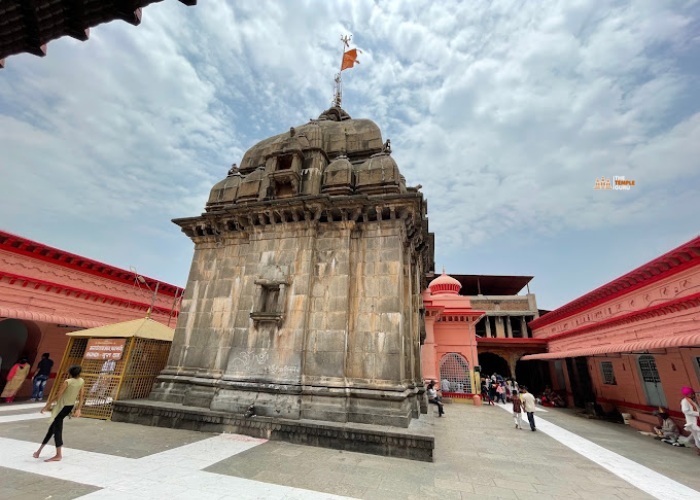
Parli Vaijnath, located in Beed district, is one of the 12 Jyotirlinga shrines of Lord Shiva and is renowned as the deity of healing — Vaidyanath, the divine physician. The temple stands on a hill and is built of stone with a large courtyard. Devotees visit to seek blessings for health, recovery from illness, and spiritual peace.
 Jyotirlinga
Aundha Nagnath Temple
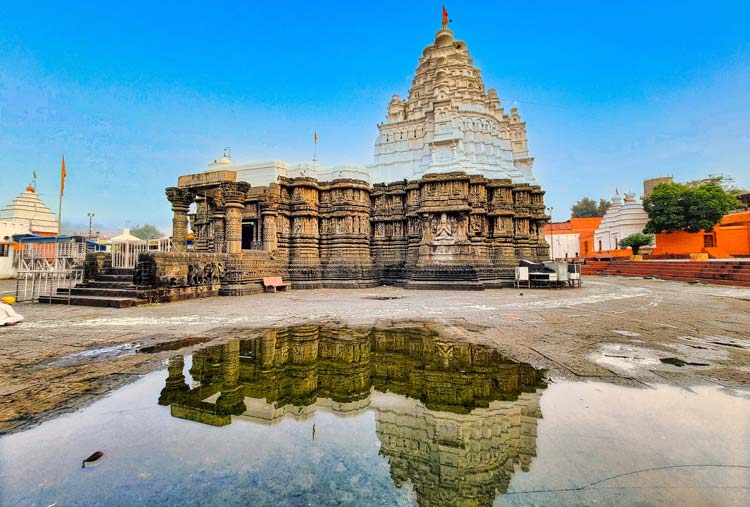
Aundha Nagnath, in Hingoli district, is considered the first (Aadya) of the 12 Jyotirlingas of Lord Shiva. Built originally by the Pandavas and later renovated by the Yadava and Maratha rulers, the temple features stunning Hemadpanti stone carvings and a richly sculpted exterior depicting gods, dancers, and mythological scenes.
 Cultural Capital
Pune
Pune, often called the cultural capital of Maharashtra and the Oxford of the East, blends rich Maratha heritage with a modern, youthful vibe. Highlights include Shaniwar Wada, Aga Khan Palace, Sinhagad Fort, Dagdusheth Halwai Ganpati Temple, and Osho Ashram. The city is also a gateway to nearby hill stations like Lonavala and Khandala.
 Metro City
Mumbai
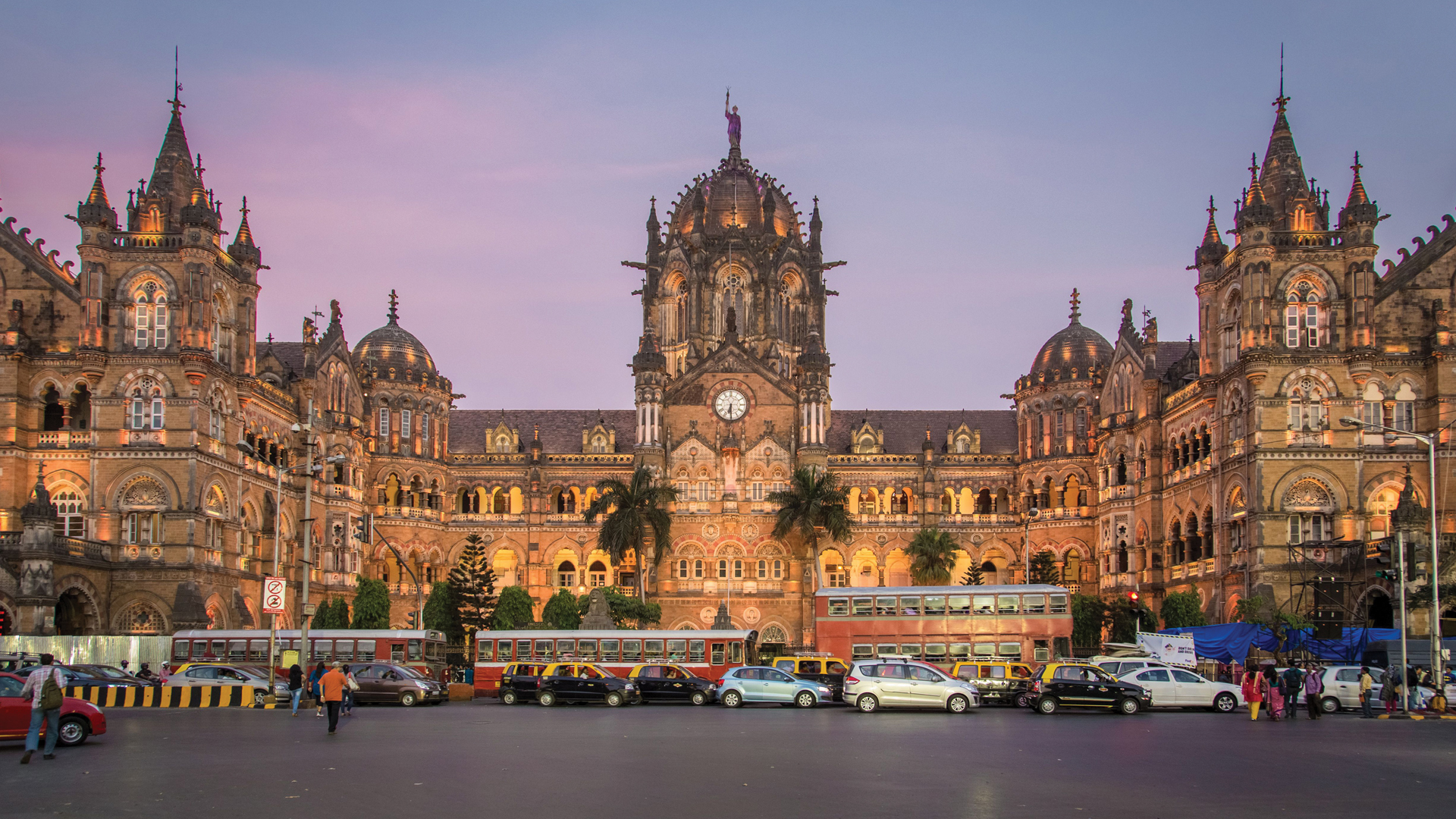
Mumbai, the financial and entertainment capital of India, is a vibrant city of dreams. Visit iconic landmarks such as the Gateway of India, Marine Drive, Chhatrapati Shivaji Maharaj Terminus (UNESCO Heritage), Siddhivinayak Temple, Haji Ali Dargah, Elephanta Caves, and the buzzing markets of Colaba and Bandra. A perfect blend of heritage, beaches, and Bollywood glamour.
 Hill Station
Mahabaleshwar
Mahabaleshwar is one of Maharashtra's most beautiful hill stations, nestled in the Western Ghats at over 1,300 m elevation. Famous for its strawberry farms, lush valleys, and panoramic viewpoints like Arthur's Seat, Wilson Point, and Pratapgad Fort. The Mahabaleshwar Temple, source of the Krishna River, and Venna Lake boating make it a refreshing weekend retreat.
 Jyotirlinga
Bhimashankar Temple
Bhimashankar is one of the 12 Jyotirlinga shrines of Lord Shiva, set deep in the dense forests of the Sahyadri range near Pune. The temple, built in the Nagara style, is the source of the Bhima River and is surrounded by the Bhimashankar Wildlife Sanctuary — home to the rare Indian Giant Squirrel. A perfect blend of spirituality and nature.
 Pilgrimage Circuit
Ashtavinayak Temples
The Ashtavinayak Yatra is a sacred pilgrimage covering eight ancient self-manifested (Swayambhu) Lord Ganesha temples spread across Maharashtra — Moreshwar (Morgaon), Siddhivinayak (Siddhatek), Ballaleshwar (Pali), Varadvinayak (Mahad), Chintamani (Theur), Girijatmaj (Lenyadri), Vighnahar (Ozar), and Mahaganpati (Ranjangaon). Each temple has its own unique legend, idol form, and divine significance.